
For donors, for staff, for the communities we serve. We lead with curiosity, speak truth at every level, and build environments where bold thinking, emotional intelligence, and strategic action can flourish.
At the core of the work is meaning creation.
“Fundraising is not a transaction. It is a transformational relationship rooted in identity, trust, and meaning.”
$200M+
Raised Under Leadership
375%
Revenue Turnaround
30 years
Sector Experience
100%
Voluntary Team Retention
N°03 — About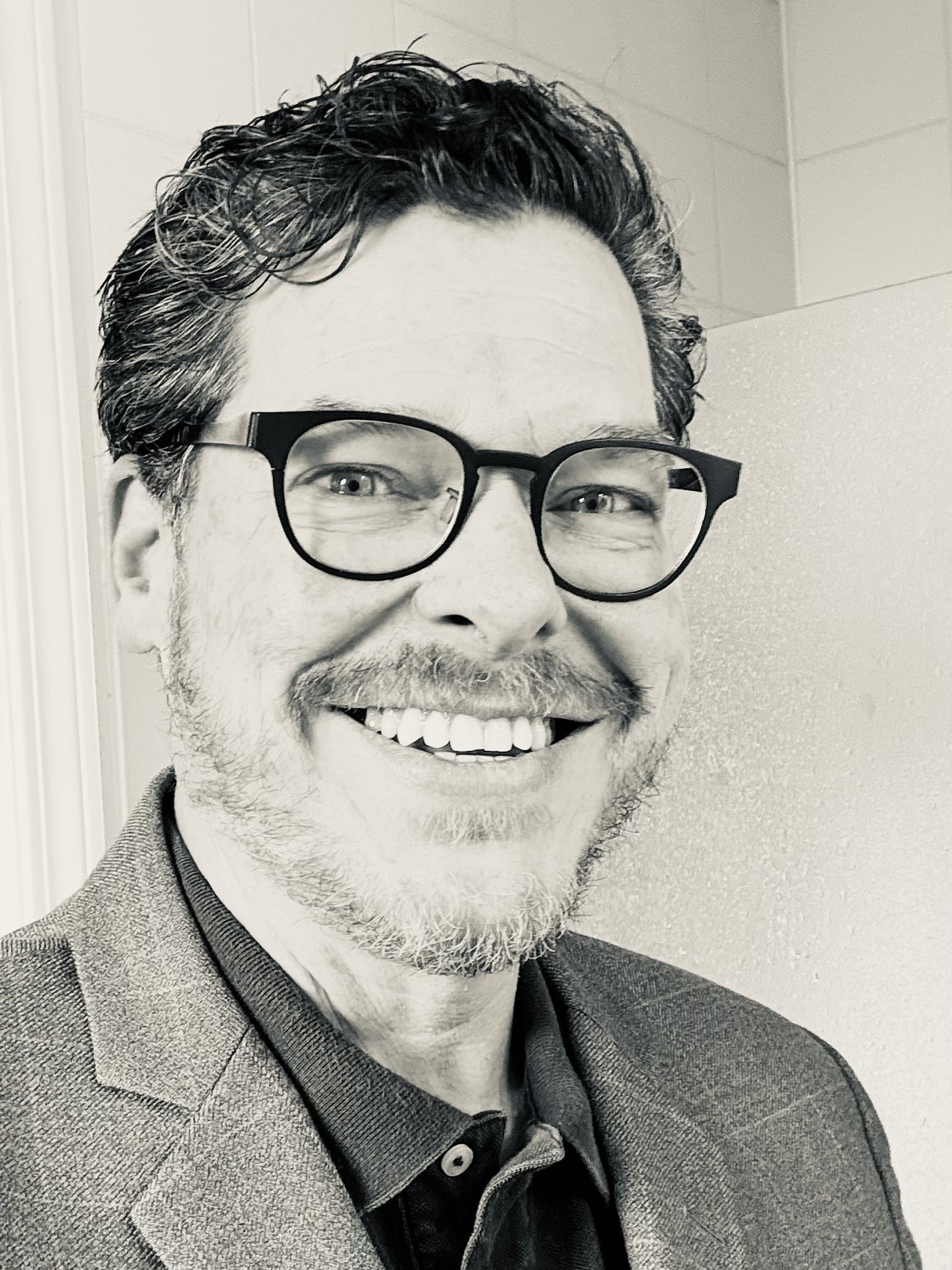
Eric Frans, CFRE
Widower, Father, Author, and Word Alchemist
Trusted executive advisor and the originator of Neurophilanthropy — the intersection of neuroscience, identity theory, and psychology with fundraising. With over three decades of impact, Eric is a sought-after speaker and consultant in the charitable sector, known for turning complex organizational challenges into sustainable, donor-centered growth.
Drawing on deep expertise in donor psychology and relationship intelligence, Eric helps organizations unlock the latent potential in their supporters, teams, and missions.
He specializes in reviving underperforming departments, breaking down silos, and rebuilding teams and systems from the inside out. Whether leading large-scale turnarounds or reimagining a stalled strategy, Eric brings a unique combination of entrepreneurial energy, philosophical grounding, and practical systems thinking, and most importantly, teaches others to do the same.
N°02 — The approachAn identity-based theory of giving — translated into the work of leadership.
Most fundraising programs are still built on a transactional logic: identify, ask, thank, repeat.
The work that follows looks busy — and produces fragility. Donors feel processed. Staff burn out chasing numbers. Boards lose confidence in a function they were never given language for.
Neurophilanthropy begins from a different premise. Donors give from who they are becoming, not from the urgency of what they're told. Trust is an architecture you build — through timing, language, dignity, and follow-through. Meaning is the lagging output that revenue eventually matches.
Our role is to help leaders see the system beneath the asks, then quietly rebuild it so the next decade compounds rather than churns.
01
Identity, not urgency
Donors give from who they are becoming — not from fear of what they'll lose.
02
Trust as architecture
Trust isn't a feeling. It's a structure you build with timing, language, and follow-through.
03
Meaning over metrics
Revenue numbers are a lagging indicator. Meaning is what creates them — for donors, staff, and missions.
04
Truth at every level
The honest read leadership rarely gets — delivered with care, but without softening what matters.
Executive Advisory Retainer
Donor Psychology Diagnostic
Executive Neurophilanthropy Briefing
Identity-Based Fundraising Reset
Major Gift Readiness & Trust Architecture
Board Confidence & Fundraising Leadership Lab
Fundraising Systems & Lifecycle Design
Campaign Psychology & Narrative Strategy
Where does your program actually stand?
Five questions, drawn from the Donor Psychology Diagnostic. The answers point to a starting place — and reveal what most leadership teams already suspect but haven't named.
N°05 — Is this the right fit?
The honest version of who this work is — and isn't — built for.
This work is for you if:
You are ready to move beyond transactional fundraising
You care deeply about donor trust, dignity, and meaning
You see fundraising as a leadership responsibility
You are willing to examine culture, systems, and assumptions
This work is NOT a fit if:
You are looking for scripts, templates, or quick wins
You rely on fear-based urgency or pressure tactics
You want change without executive involvement
You want tactics without reflection or systems change
N°08 — Frequently asked
-
A: Senior development leadership without a permanent C-suite hire. You get the strategy, the relationships, and the accountability — without the overhead of a full-time executive salary.
-
A: It's the framework Eric built over three decades — applying neuroscience and identity theory to fundraising. It explains why donors give, when they give, and what organizations must do to earn and sustain that trust. AFP has had him present at both ICON and LEAD multiple times.
-
A: No. The work is strategic, structural, and identity-driven. Grant writing and event execution are tactical functions best handled by specialists. This work operates at the leadership level.
-
A: Diagnostics deliver clarity in weeks. Strategic resets show momentum in 60-90 days. Transformational change takes 6-18 months of consistent leadership.
-
A: No. The work scales from $2M organizations navigating their first major gift program to $50M institutions rebuilding donor trust after a leadership transition.
-
A: Most engagements begin with a 30-minute conversation to assess fit. From there, scope, timeline, and investment are designed around what the organization actually needs.